
Investing in new flooring is a major decision, and naturally customers want reassurance that their choice will stand the test of time. Modern flooring materials are engineered with longevity in mind, and when they are installed properly and maintained with the correct care routine, they can perform extremely well for many years. Understanding the typical lifespan of different flooring types helps homeowners plan ahead, budget effectively, and choose the right option for each room.
Below is a clear and detailed guide covering how long various types of flooring generally last, what influences their durability, and how you can ensure your new flooring looks great for as long as possible.
Laminate Flooring
Laminate flooring is designed to be tough and practical, with a protective wear layer that holds up well to daily household life. It is a popular choice for living rooms, hallways, and bedrooms, thanks to its great balance of durability, style, and affordability. When installed on a level subfloor with the correct underlay, laminate can last 15–25 years.
The key to getting the longest life from laminate is to minimise unnecessary moisture exposure and maintain it with suitable cleaning products. Regular sweeping or vacuuming keeps dirt from acting as an abrasive on the surface, and a slightly damp mop is usually all that’s needed for deeper cleaning. Because laminate is built with a strong top layer, it maintains its appearance well over time and is ideal for homes with children, pets, or busy foot traffic.
LVT (Luxury Vinyl Tile/Plank)
LVT is a highly durable, versatile flooring option with a protective wear layer that is built to withstand years of activity. Many people choose LVT for its long-lasting finish, realistic designs, and comfort underfoot. With appropriate maintenance, LVT floors typically last 20–30 years, sometimes even longer in lower-traffic environments.
One of the major advantages of LVT is its impressive moisture resistance. This makes it an excellent choice for areas such as kitchens, bathrooms, utility rooms, and hallways where spills or damp conditions are more common. LVT is also stable across different temperatures, allowing it to perform consistently in most indoor environments. As long as it is installed properly—with the right adhesive if required or fitted as a click system—it will provide dependable performance for many years.
SPC Flooring (Stone Plastic Composite)
SPC flooring is known for its rigidity and strength, thanks to its solid composite core. This structure makes it extremely stable and resistant to changes in temperature, humidity, and everyday wear. SPC’s durability makes it suitable for both residential and commercial use, and most SPC floors last 25–30 years or more with standard care.
Because SPC is waterproof and highly resistant to dents, it’s a popular choice for homes that want a floor that will maintain its integrity long term. Its strong click system provides a robust installation, and the rigid core helps the floor feel secure underfoot. Simple cleaning—sweeping, vacuuming, and damp mopping—is all it needs. When fitted correctly, SPC remains one of the most dependable long-term flooring solutions available today.
Solid Wood Flooring
If properly maintained, solid wood flooring is one of the longest-lasting flooring types available. Solid wood can last 40–100 years, depending on the thickness of the boards and how often it is refinished. Because it is made from natural timber, it develops character over time and can be revived through sanding and refinishing to restore its appearance.
The long lifespan of solid wood makes it ideal for people who want a flooring solution that ages gracefully and can be refreshed whenever needed. To maximise longevity, it’s important to maintain stable indoor humidity levels and avoid excessive moisture. Routine cleaning with appropriate wood-care products will protect the finish and help preserve the natural beauty of the wood for decades.
Engineered Wood Flooring
Engineered wood combines a real wood surface layer with multiple underneath layers that create stability and reduce movement. This layered construction makes engineered wood suitable for environments where temperature and humidity fluctuate more than solid wood tolerates. With proper installation and care, engineered wood flooring typically lasts 25–40 years, depending on the thickness of the top layer.
Thicker engineered boards can often be refinished one or more times, allowing homeowners to refresh the floor’s appearance after years of use. Its strong stability also makes it suitable for larger rooms or open-plan spaces where consistent performance is required.
Carpet
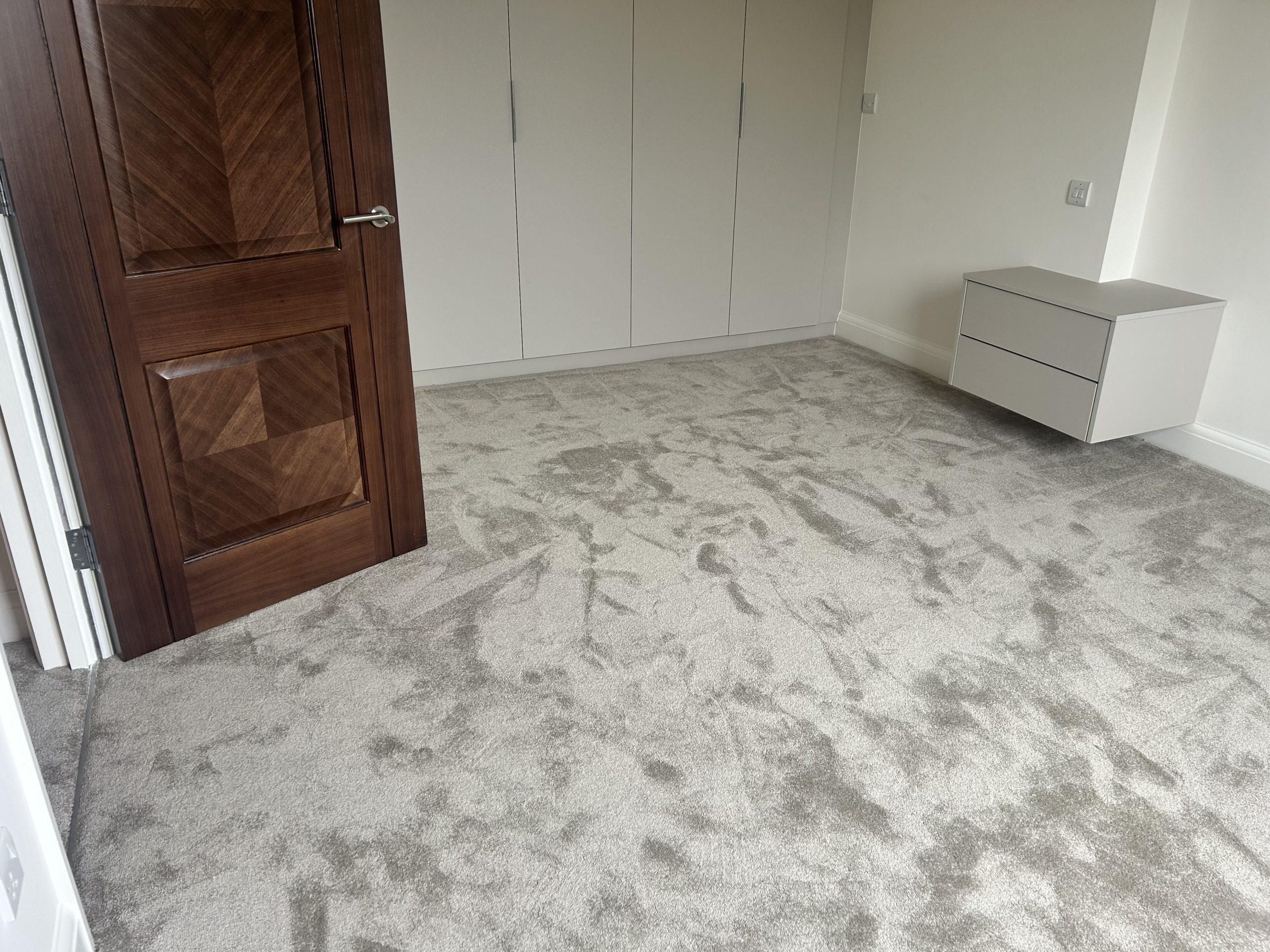
Modern carpets are manufactured with improved fibres, backing technology, and stain-resistant treatments, allowing them to stay attractive and comfortable for many years. A well-maintained carpet usually lasts 7–15 years, although this varies based on fibre type and foot traffic.
In lower-traffic areas such as bedrooms, carpets can look good for well beyond a decade. Regular vacuuming helps prevent fibres from flattening, while periodic deep cleaning keeps the carpet fresh and prolongs its life. It’s a great option for anyone who prioritises softness, warmth, and sound absorption in their living spaces.
What Affects How Long Flooring Lasts?
While each flooring type has a typical lifespan range, other factors influence how long it stays in top condition:
- Installation Quality
Even the highest-quality flooring underperforms if installed incorrectly. Ensuring the subfloor is solid, clean, and level is essential for long-term stability.
- Foot Traffic
Busy areas naturally wear faster. Using mats at entrances and keeping floors clean helps reduce surface wear.
- Cleaning Routine
Using correct cleaning products prevents damage and helps maintain the floor’s protective layers.
- Environmental Conditions
Consistent indoor temperature and humidity levels help prevent issues like expansion or contraction in certain materials.
- Product Quality
Higher-grade flooring products often come with thicker wear layers or stronger construction, contributing to longer lifespans.
Final Thoughts
Every type of flooring—laminate, LVT, SPC, wood, or carpet—can offer excellent longevity when it’s matched to the right space and maintained properly. Modern flooring materials are built to perform well for many years, and with the right care, your floors will continue looking great and supporting everyday life long into the future.