
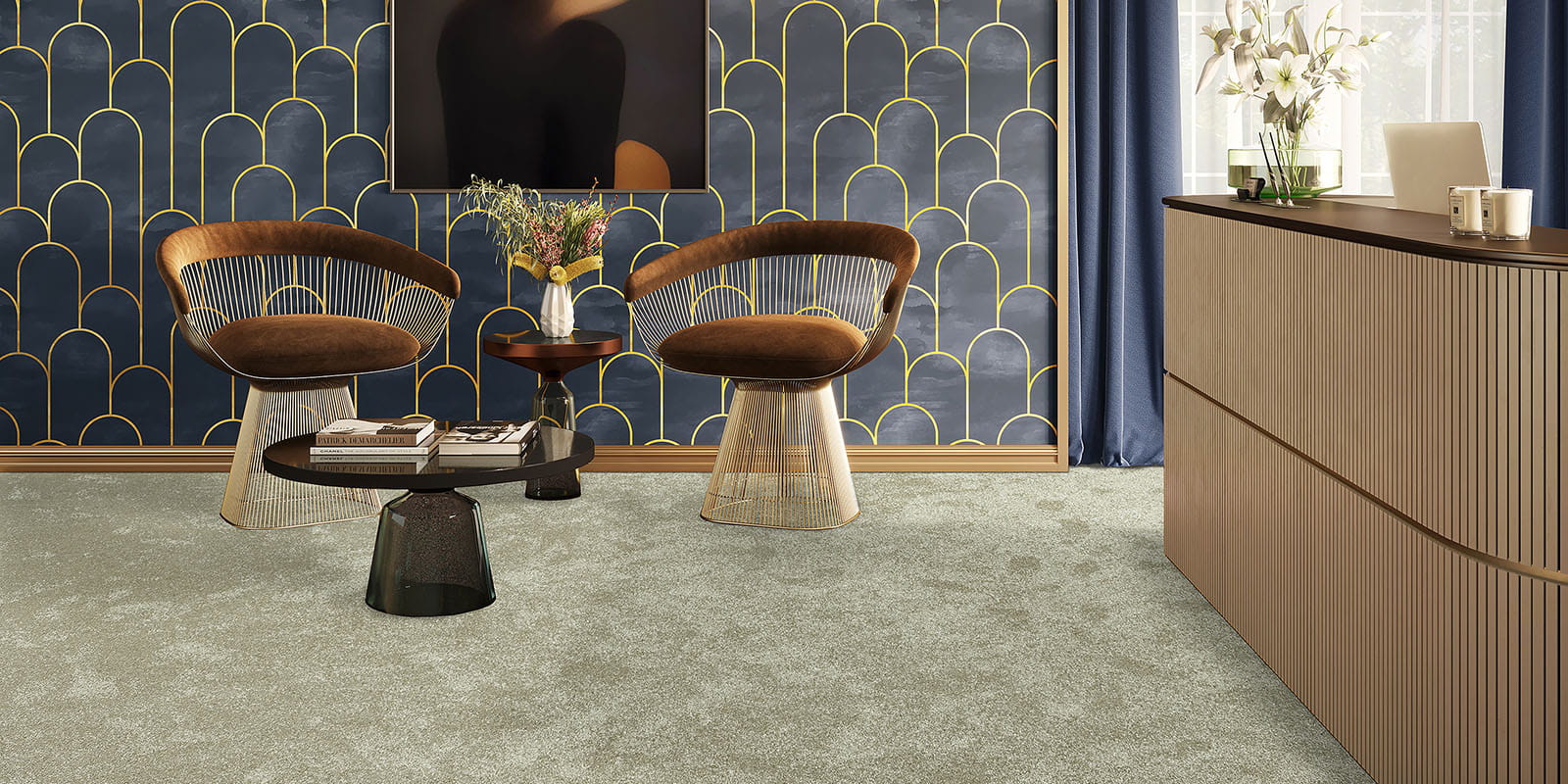
Carpet has long been a popular choice for homes and commercial spaces due to its warmth, comfort, and sound-dampening properties. While laminate, LVT (Luxury Vinyl Tile), and real wood floors are often chosen for their durability and ease of cleaning, carpet offers unique benefits when it comes to indoor air quality. In fact, under the right conditions, carpet can help improve the air you breathe inside your home.
Debunking the Myth: Does Carpet Harm Indoor Air?
One of the most common misconceptions is that carpet worsens indoor air quality because it collects dust and allergens. While it is true that carpet traps particles, this is actually a positive feature. Unlike laminate floors, where dust can easily be kicked into the air, carpet fibres hold allergens in place until they are removed by vacuuming. This reduces the amount of airborne particles in your home and can be especially beneficial for bedrooms and living areas.
How Carpet Traps Allergens
Carpet works like a natural filter. Dust, pollen, pet dander, and other airborne particles are captured by the fibres and kept from circulating. This is in contrast to LVT and other hard surfaces, where cleaning may temporarily remove visible dirt but particles can easily become airborne again during daily activity.
Regular maintenance is key. Using a vacuum with a HEPA filter and scheduling professional deep cleans every 12 to 18 months ensures that the allergens trapped in the carpet do not build up, maintaining a cleaner and healthier indoor environment.
Choosing the Right Carpet
Not all carpets are created equal when it comes to air quality. Materials and certifications matter. Natural fibres like wool not only feel luxurious underfoot but are also naturally hypoallergenic and can absorb certain indoor pollutants, further improving air quality. It is also worth looking for low-VOC carpets, which emit minimal chemicals, ensuring your carpet does not introduce harmful compounds into your home.
In spaces where homeowners are weighing options between carpet and real wood floors, it is worth considering how each material affects air quality. While real wood can be easier to clean, it does not trap dust and allergens in the same way carpet does, meaning those particles are more likely to remain airborne.
Additional Benefits of Carpet
Beyond trapping dust, carpet offers other indirect benefits that support a healthier indoor environment. It provides insulation, which can help maintain comfortable humidity levels, and it reduces noise levels in busy homes, creating a calmer, more stress-free environment. Safety is another advantage; carpet reduces slips and falls, particularly in bedrooms and stairways.
Maintaining Carpet for Better Air Quality
To keep carpet working effectively as a filter, regular care is essential. Key tips include:
- Vacuum frequently with a HEPA-filter vacuum
- Avoid wearing outdoor shoes indoors
- Schedule professional cleaning periodically
- Choose carpets with recognised low-VOC certifications
Following these steps ensures that your carpet continues to trap dust and allergens efficiently while maintaining its appearance and longevity.
Conclusion
Carpet remains a practical and comfortable flooring choice, offering benefits that hard flooring such as laminate, LVT, or real wood cannot always match. When maintained properly, it traps allergens, improves indoor air quality, and contributes to a healthier home environment. Far from being a source of poor air quality, the right carpet can be part of the solution.