
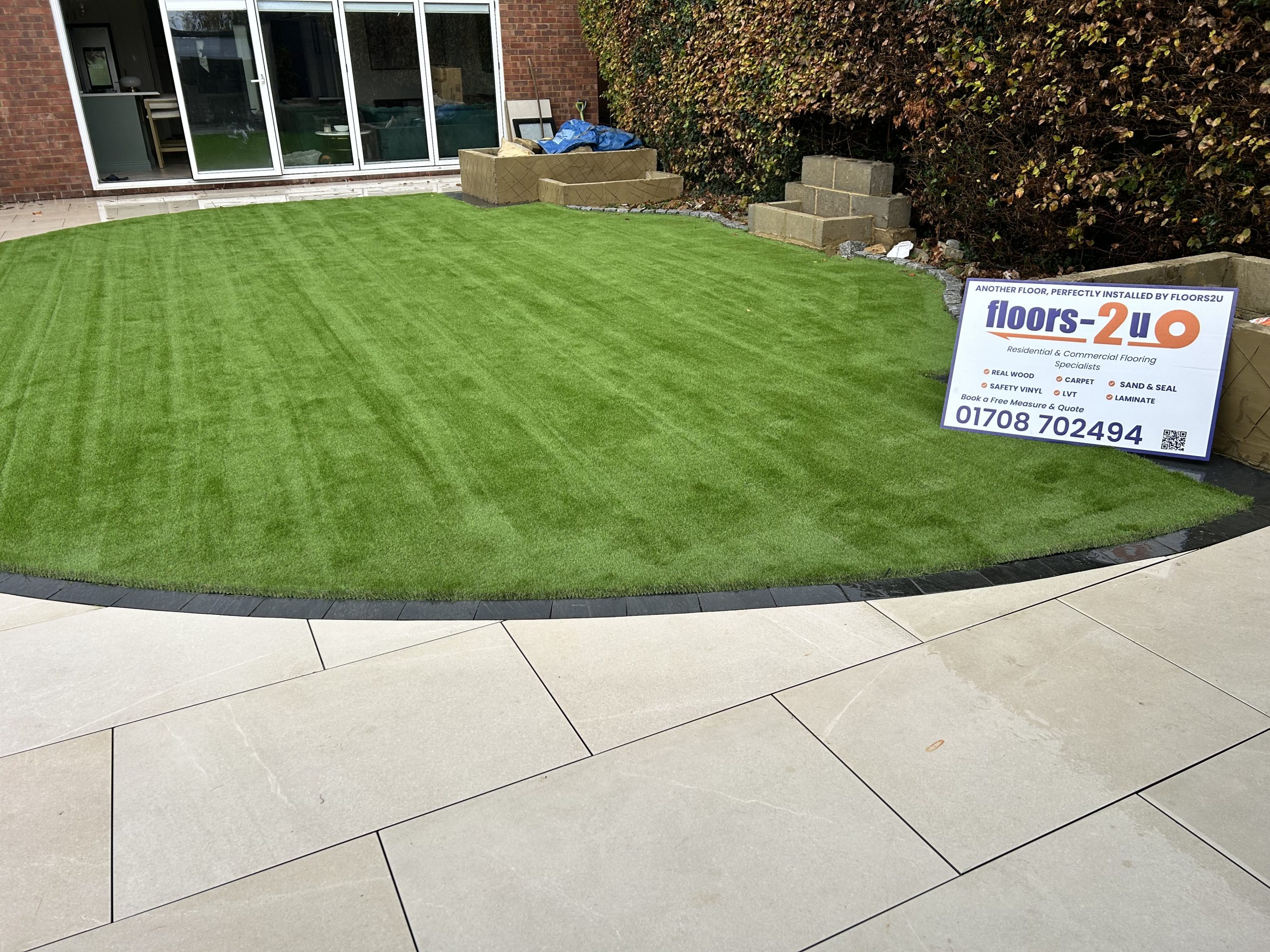
Astro turf, also known as artificial grass, has come a long way since its early days as a stiff, plastic-like surface. Today’s astro turf is soft, realistic, and versatile, making it a popular choice for gardens, sports fields, playgrounds, and commercial spaces. In this article, we’ll explore what astro turf is, its types, advantages and disadvantages, and how it is installed and maintained.
What is Astro Turf?
Astro turf is a synthetic surface designed to look and feel like natural grass. It’s made from a combination of polyethylene, polypropylene, or nylon fibers that are tufted into a backing material. Some versions include an infill layer of sand or rubber granules to provide stability, cushioning, and improved drainage. The result is a surface that remains green year-round, requires minimal upkeep, and can withstand heavy use.
Modern astro turf has advanced significantly in terms of texture, color, and durability. Some products are even designed to replicate the appearance of different types of natural grass, from fine-bladed lawn varieties to coarser sports-grade surfaces.
Types of Astro Turf
Astro turf isn’t one-size-fits-all; there are several types designed for different applications:
-
Residential Turf: Soft and realistic, this type is ideal for gardens, patios, or balconies. It focuses on aesthetics and comfort underfoot.
-
Sports Turf: Designed for high-traffic areas such as football, rugby, or hockey fields, sports turf is more durable and often includes shock-absorbing layers.
-
Commercial Turf: Used in schools, playgrounds, rooftop gardens, and public spaces, commercial turf balances durability, safety, and appearance.
-
Pet Turf: Specifically made for animals, pet turf is durable, easy to clean, and designed to allow liquids to drain quickly.
Each type of astro turf varies in pile height, density, and infill options, depending on its intended use.
Advantages of Astro Turf
Astro turf offers several benefits compared to natural grass:
-
Low Maintenance: There’s no mowing, watering, or fertilizing required. Occasional brushing and cleaning are usually sufficient to keep it looking fresh.
-
Durability: Synthetic grass can withstand heavy foot traffic, pets, and various weather conditions without becoming worn or patchy.
-
Year-Round Greenery: Astro turf remains vibrant and green regardless of season, making it perfect for areas that struggle with natural grass growth.
-
Water Conservation: Because it doesn’t need watering, astro turf helps reduce water usage, which is especially beneficial in dry climates or drought-prone areas.
-
Allergy Reduction: For people sensitive to grass pollen, artificial turf offers an allergy-free alternative.
Disadvantages of Astro Turf
While astro turf has many advantages, it’s important to consider potential drawbacks:
-
Heat Retention: Synthetic grass can become hot under direct sunlight, making it uncomfortable to walk on barefoot in summer.
-
Initial Cost: High-quality turf and professional installation can be expensive, though long-term maintenance savings often offset this.
-
Environmental Concerns: Although some products are made from recycled materials, artificial grass is not biodegradable.
-
Surface Hardness: While modern turf can include cushioning, it may still be harder than natural grass, which can affect sports performance or safety.
Installation Process
Astro turf installation involves several steps to ensure a smooth, durable, and realistic-looking surface:
-
Site Preparation: The existing surface is cleared of grass, roots, and debris. The ground is leveled and compacted.
-
Base Layer: A layer of crushed stone or aggregate is added for stability and drainage.
-
Weed Membrane: A barrier is laid to prevent weeds from growing through the turf.
-
Turf Laying: The artificial grass is rolled out and cut to size, ensuring the blades face the same direction for a uniform look.
-
Joining and Fixing: Seams are joined using adhesive or tape, and the edges are secured.
-
Infill Application: Sand, rubber, or other infill materials are spread to weigh the turf down, add cushioning, and help the blades stand upright.
-
Brushing and Finishing: The turf is brushed to lift the fibers, creating a natural appearance.
Maintenance Tips
Although astro turf is low-maintenance, proper care can extend its life and keep it looking realistic:
-
Regular Brushing: Brushing the fibers helps prevent matting and keeps the turf looking full.
-
Cleaning Debris: Remove leaves, dirt, and pet waste to avoid buildup and staining.
-
Rinse Occasionally: A hose rinse removes dust, pollen, and small debris.
-
Check Infill Levels: Over time, infill may shift or compact; topping it up maintains cushioning and stability.
-
Address Stains Promptly: Mild detergents and water usually suffice for cleaning spills or stains.
Conclusion
Astro turf has evolved into a versatile and practical solution for both residential and commercial spaces. With advances in fiber technology, infill materials, and realistic designs, it offers a green, low-maintenance alternative to natural grass while withstanding heavy use and varying weather conditions. Whether it’s for a garden, sports field, playground, or rooftop terrace, understanding the types, benefits, and proper installation of astro turf ensures you can choose the right surface for your needs.