
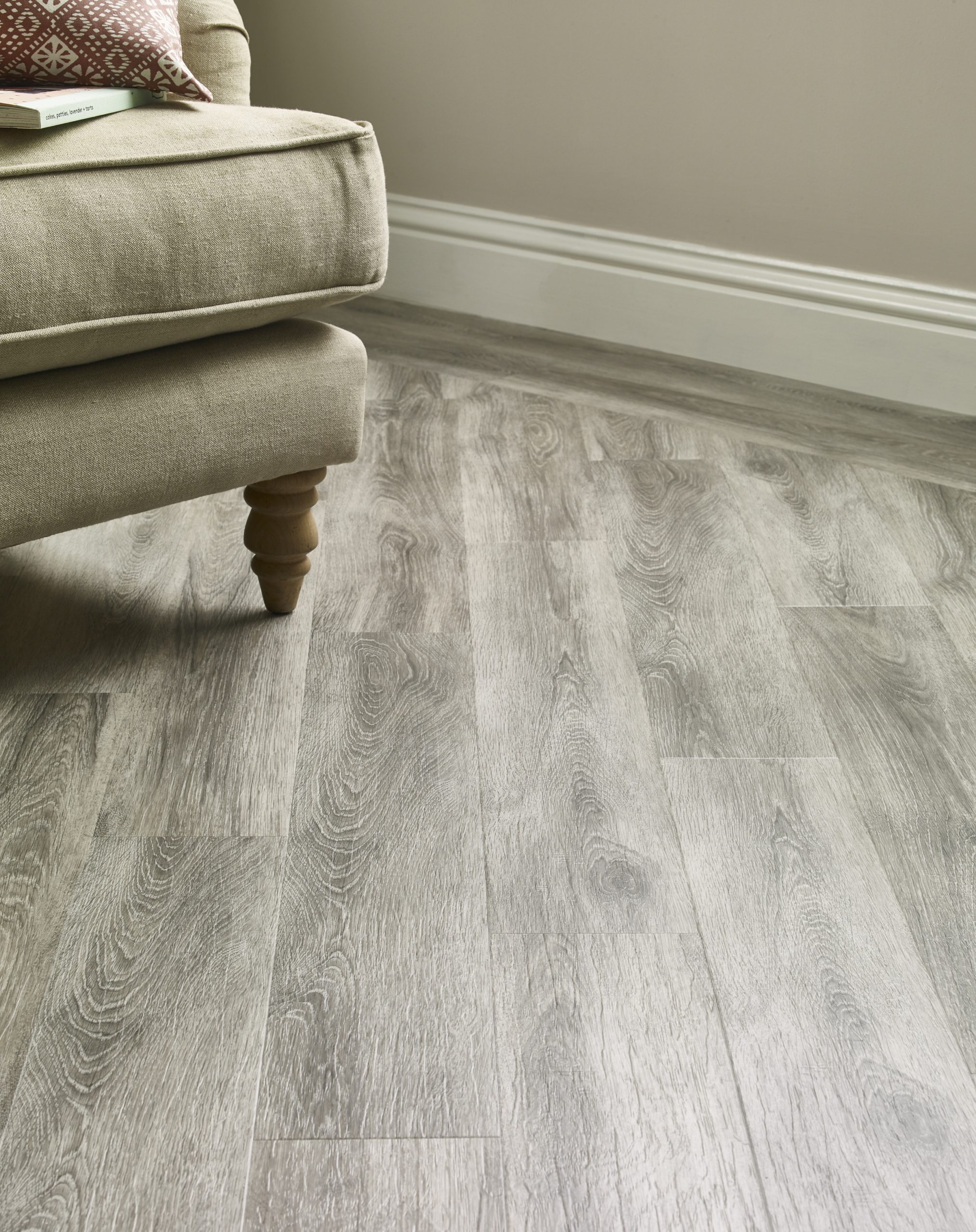
Laminate flooring has been a mainstay in British homes for decades. Once considered a budget alternative to timber, it has evolved considerably in both performance and appearance. Manufacturing standards have improved, surface textures are more realistic, and installation systems are more refined.
In a genuinely busy home with children, pets, muddy boots and constant foot traffic, is laminate still a sensible option?
The answer depends on expectations, room type and product quality. Let’s examine the facts properly.
What defines a busy household
A busy home usually includes a combination of:
- High daily foot traffic through hallways and kitchens
- Children running, playing and occasionally dropping items
- Pets with claws
- Frequent cleaning
- Furniture being moved or adjusted
- Occasional spills
Flooring in these spaces must cope with wear, resist visible damage and remain easy to maintain. It should also look presentable long term, not tired after a few years.
How modern laminate is constructed
Laminate flooring is made up of several bonded layers:
- A protective wear layer
- A decorative photographic layer
- A high density fibreboard core
- A balancing backing layer
The wear layer is critical. It protects against scratches, stains and fading. The core provides structural stability and affects how the board reacts to moisture.
One key measurement is the abrasion class rating. For busy residential homes, AC4 or AC5 is generally recommended. These grades are designed for heavy domestic use and offer stronger resistance to surface wear.
Lower grade laminate can struggle under pressure, particularly in hallways where grit and debris are frequently brought in from outside.
Scratch and impact resistance
One of laminate’s strengths is its scratch resistance. The clear top layer is harder than many natural timbers, meaning light claw marks from pets or minor scuffs from footwear are less noticeable than they might be on real wood.
However, laminate is not indestructible. Dragging heavy furniture or dropping sharp objects can chip the edges. Once the decorative layer is damaged, it cannot be sanded or repaired in the same way as solid timber.
For families with dogs, laminate can often perform better than softer real wood species. That is one reason many homeowners compare it with alternatives such as real wood before deciding.
How does laminate handle moisture
Moisture is the most debated topic when it comes to laminate.
Traditional laminate has a fibreboard core, which means prolonged exposure to water can cause swelling. If water penetrates the joints and reaches the core, the board may expand and distort.
Modern laminate has improved in this area. Many products now include water resistant coatings and tighter locking systems. In kitchens and entrance areas, where spills are wiped up promptly, good quality laminate performs reliably.
It is still not considered fully waterproof. In bathrooms or rooms with persistent damp conditions, LVT is often a more suitable option because it is manufactured from synthetic materials that do not swell in water.
Understanding this distinction is important when choosing flooring for specific rooms.
Appearance and realism
Earlier generations of laminate were easy to spot. Repetitive patterns and artificial finishes made them look less convincing.
Modern laminate has progressed significantly. Embossed textures follow the printed grain pattern, creating a more authentic surface. Wider planks and bevelled edges enhance the appearance further.
While it does not replicate the depth and natural variation of genuine timber perfectly, it provides a practical visual alternative at a lower cost. In busy homes, this balance between appearance and durability can be appealing.
Comfort and acoustics
Laminate is a firm surface. It does not provide the same softness as carpet, and it can produce more impact noise if installed without suitable underlay.
Underlay plays a major role in performance. It helps to:
- Reduce noise transfer between floors
- Improve walking comfort
- Smooth minor subfloor imperfections
- Extend the life of the boards
In high traffic homes, investing in appropriate underlay improves the overall experience considerably.
Maintenance and long term care
One of laminate’s strongest advantages is straightforward maintenance.
It does not require sanding, oiling or sealing. Regular vacuuming and occasional damp mopping are usually sufficient. Harsh chemicals and excessive water should be avoided.
In busy households, where time is limited, this simplicity matters. The ability to clean quickly and move on is often valued more than refinishing potential.
Unlike real wood, laminate cannot be sanded down if it becomes worn. Once the surface layer is significantly damaged, replacement is usually required. That makes choosing the correct specification from the start essential.
Cost versus longevity
Laminate remains one of the more cost effective hard flooring options available. It allows homeowners to achieve a timber style look without the investment required for solid or engineered wood.
The lower upfront cost can make it attractive in family homes where wear is expected. If damage does occur years later, replacing laminate is typically less expensive than replacing timber flooring.
When comparing laminate, LVT and real wood, each material has strengths and compromises. Laminate often sits in the middle ground between affordability and resilience.
So is laminate still a good choice for busy homes
In many cases, yes.
When a good quality product with an appropriate abrasion rating is chosen and installed correctly, laminate performs well in high traffic residential settings. It resists everyday scratches, maintains its appearance and requires minimal upkeep.
It is not the best solution for consistently wet environments, and it cannot be refinished like timber. Those limitations should be understood before installation.
For hallways, living rooms, dining areas and kitchens with sensible care, laminate remains a practical and relevant option.
It may not suit every situation, but it is far from outdated. In busy homes where durability, maintenance and value are priorities, laminate continues to hold its place as a reliable flooring choice.